Social Economic Empowerment Programme
Socio-Economic Empowerment — advancing poverty reduction, financial inclusion, and community self-reliance across the Archdiocese since 1983.
Empowering communities from within
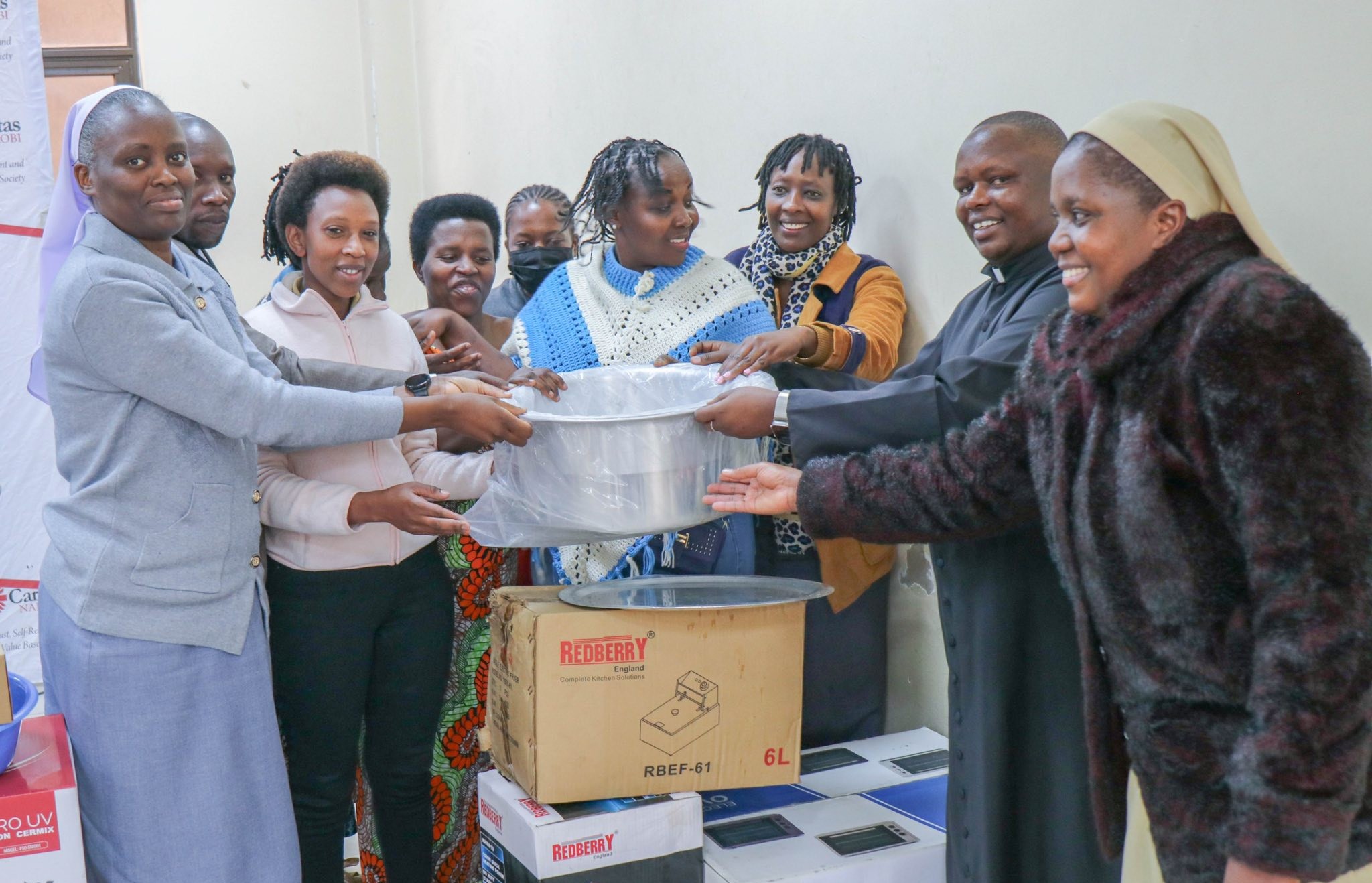
The Socio-Economic Empowerment Programme (SEEP) is the flagship programme of Caritas Nairobi. Since its establishment in 1983, it has remained central to the mission of advancing poverty reduction, financial inclusion, and community self-reliance within the Archdiocese of Nairobi.
SEEP is founded on the conviction that sustainable development is best achieved when communities are empowered to take charge of their own social and economic transformation — supporting the growth of community-based financial structures that promote savings, access to credit, shared responsibility, and local ownership of development.
"Sustainable development is best achieved when communities are empowered to take charge of their own social and economic transformation."
A coordinated movement
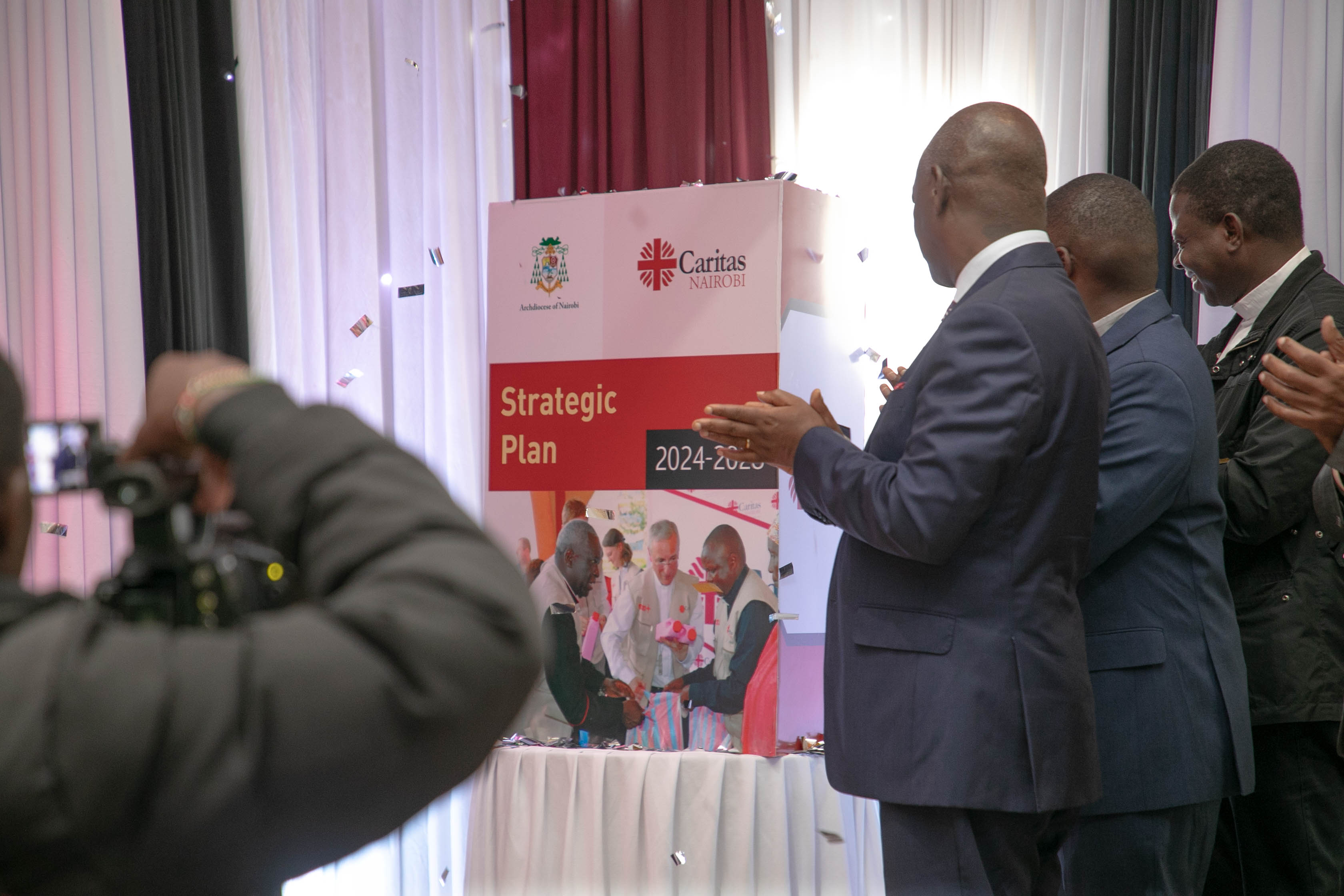
SEEP operates as a coordinated and structured movement under Caritas Nairobi, combining grassroots participation with strong institutional oversight. This approach has enabled SEEP to grow into a trusted platform for socio-economic empowerment by integrating sound financial management, policy discipline, and social development values.
Governance & Regulatory Framework
The strength and longevity of SEEP are anchored in a robust governance and regulatory framework that supports orderly operations, responsible leadership, and member confidence.

Every group, one shared standard.
Governance & Oversight
All groups operate under the Self-Help Programme Governance Manual, providing clear guidance on leadership structures, stakeholder roles, accountability mechanisms, and conflict resolution processes.
Regulatory Compliance
SEEP upholds strict compliance with national laws including Anti-Money Laundering (AML) and Counter-Terrorism Financing (CTF) requirements through strong KYC procedures and transaction monitoring.
Risk Management
A proactive risk management approach identifies, assesses, and mitigates financial, operational, and external risks — strengthening institutional resilience and protecting long-term member savings stability.
Credit Administration
SEEP's Credit Policy promotes prudent and responsible lending through structured appraisal, approval, and recovery processes that meet member needs while protecting savings and sustaining portfolio quality.
Strategic Operational Pillars
Centralized support through key strategic pillars that enhance efficiency, professionalism, and long-term impact across the network of Self-Help Groups.
Digital Infrastructure & ICT
Guided by its ICT Policy, SEEP strengthens integrated digital systems such as CoBank+, supporting secure data management, transparent record keeping, and improved member services through digital and mobile platforms.
Human Capital & Standards
Through a strong human resource framework, SEEP promotes fair recruitment, structured supervision, and continuous capacity building — ensuring those entrusted with community resources serve with competence and integrity.
Financial Accountability & Audit
A dedicated audit function conducts regular reviews across all groups to strengthen financial discipline, verify reporting accuracy, and ensure assets are managed in line with approved policies.
Institutional Coordination
Caritas Nairobi provides centralized support that enables each Self-Help Group to operate within a shared framework while retaining its community identity and local leadership structures.
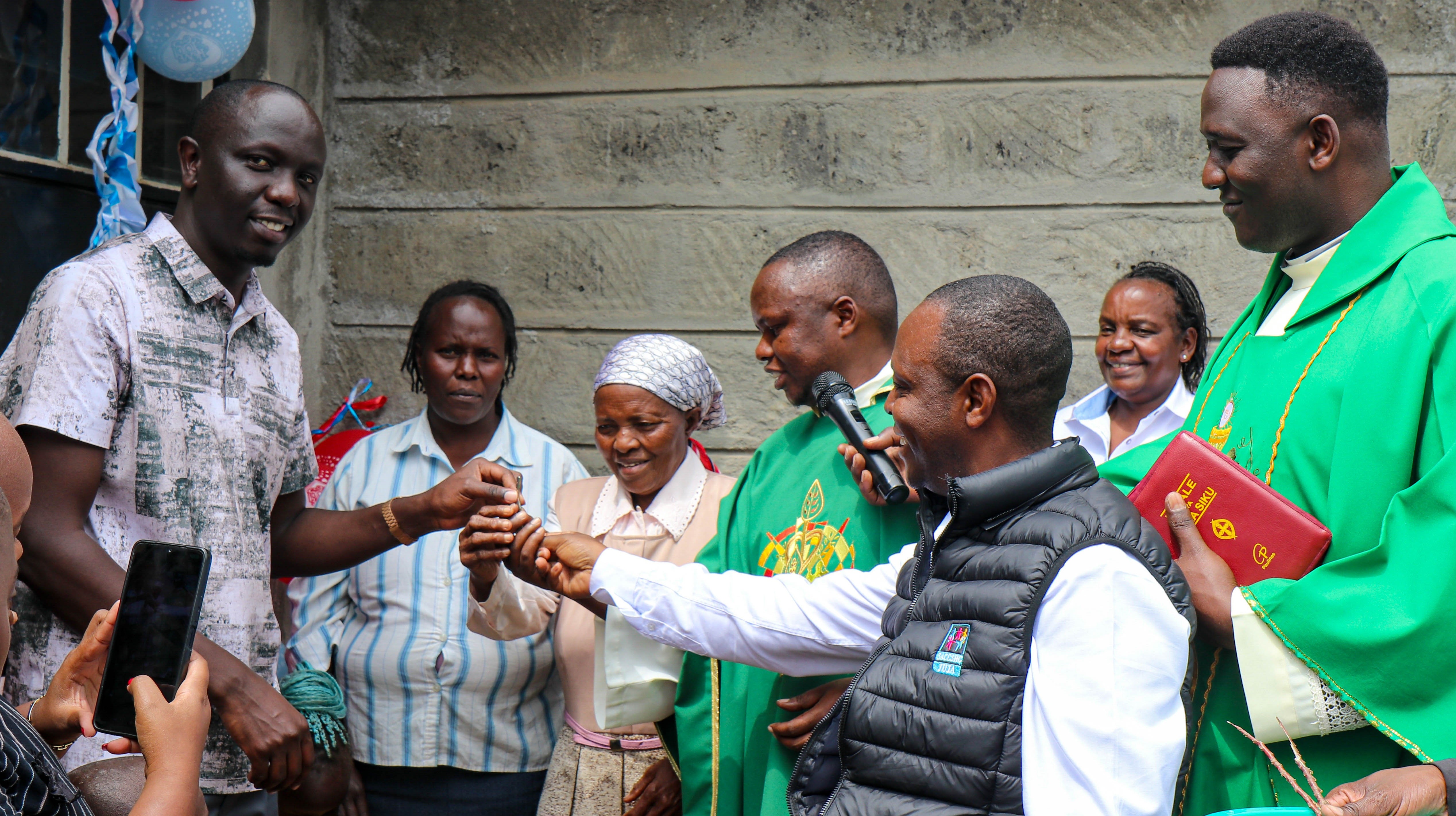
"From a savings ledger to a digital platform — the discipline stays the same."
Socio-Economic Impact
Over four decades, SEEP has demonstrated that disciplined savings, access to credit, and strong community governance can transform lives and build resilient institutions.
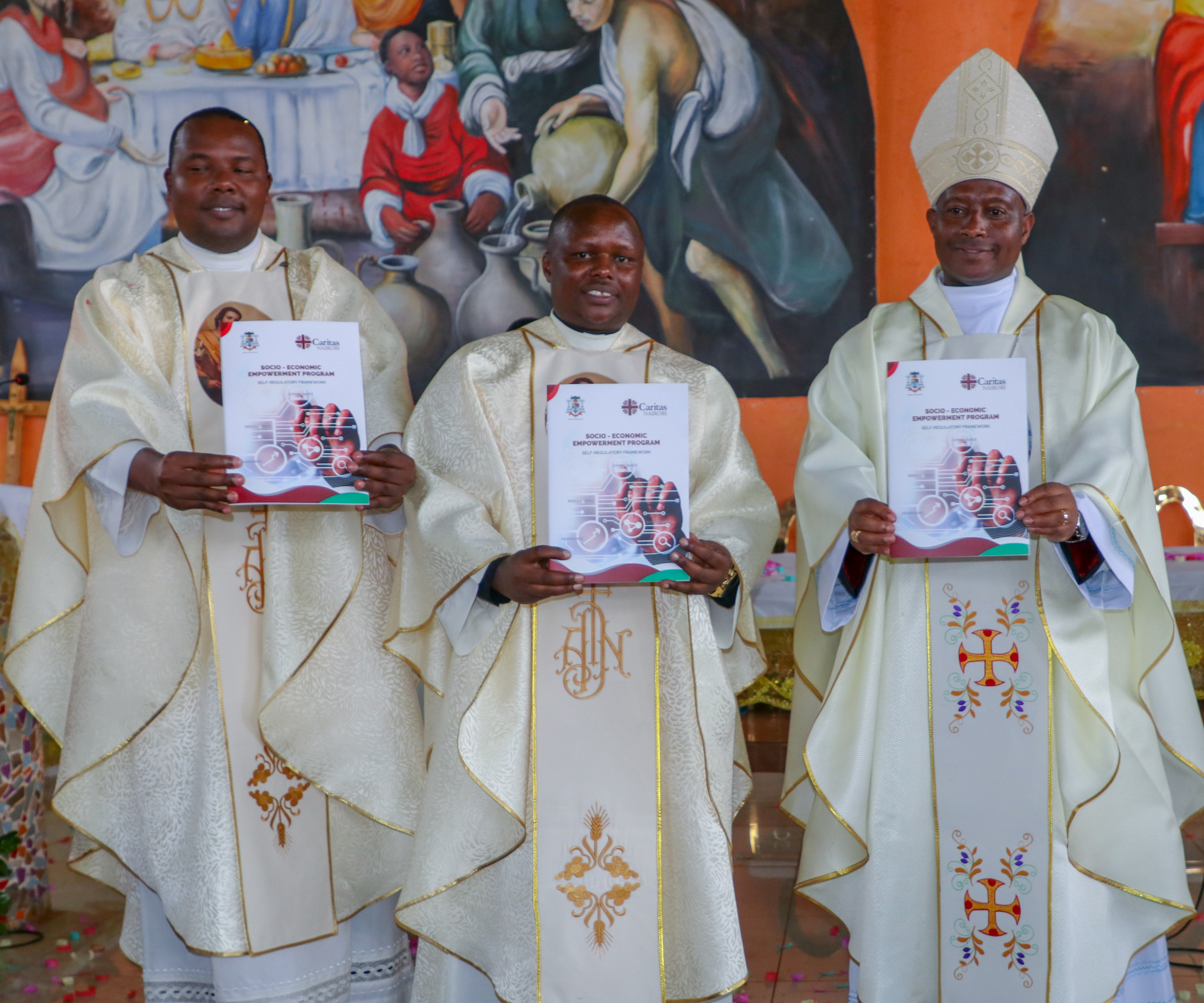
One group at a time.
Financial Resilience
Households move from vulnerability towards stability through savings mobilization, responsible borrowing, and small-scale investment facilitated by the programme.
Social Inclusion
Opportunities for wider economic participation, with particular emphasis on empowering women, youth, and vulnerable groups to take active roles in leadership and development.
Sustainable Institutions
SEEP nurtures Self-Help Groups into strong, self-sustaining community institutions capable of driving long-term social and economic progress.
Community Self-Reliance
Communities take charge of their own socio-economic transformation through shared responsibility, local ownership, and structured access to credit and savings.

A Future Built on Community Strength
Caritas Nairobi remains committed to continuously strengthening SEEP through policy improvement, institutional capacity building, and the adoption of appropriate technology — providing a secure, well-governed environment where individuals, households, and communities achieve lasting socio-economic empowerment.