
Our History
Local roots, global reach
A Global Heritage, Local Roots
The story of Caritas began in Freiburg, Germany, in 1897, when Rev. Fr. Lorenz Werthmann founded the organisation to coordinate the Church's response to the suffering caused by the Industrial Revolution. Today, Caritas Nairobi belongs to that same global movement — Caritas Internationalis, a confederation of over 160 agencies in more than 200 countries. Long before any formal structures existed here, the Catholic Church in Nairobi was already living that same spirit: parish communities ran education and health initiatives, and priests walked alongside the poor in ways that were quietly transformative, laying the foundation for what would become a structured development institution.
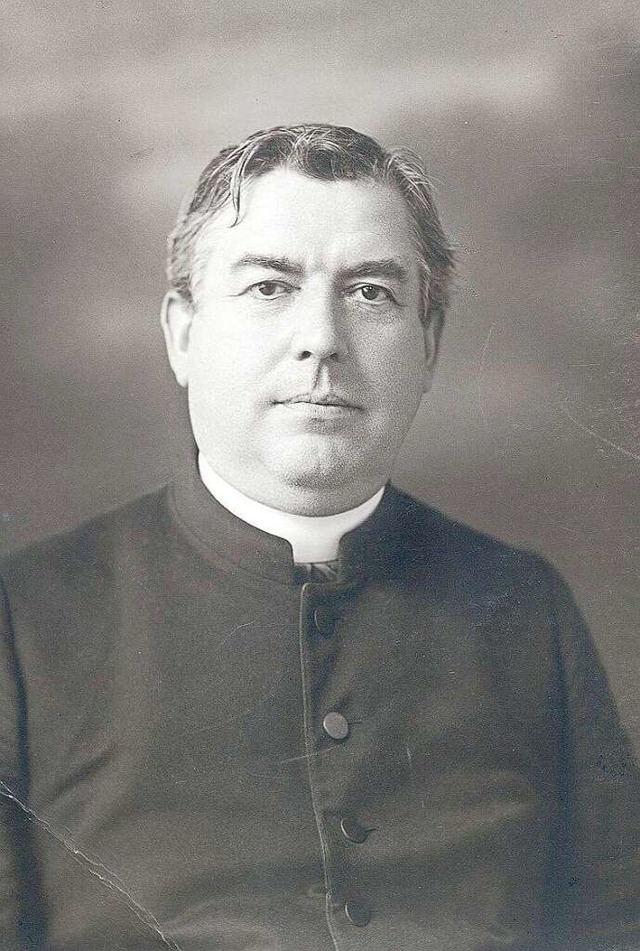
1983 — The Moment Everything Changed
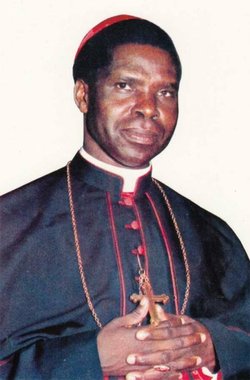
The true birth of Caritas Nairobi's structured development work is traced to 1983, with the launch of the Self-Help Programme under Cardinal Maurice Michael Otunga, then Archbishop of Nairobi. Pioneered by Rev. Fr. Joseph Mukui and Rev. Fr. Michael Mungai, the programme encouraged self-reliance and community savings among low-income families. A now-famous early example: parishioners at Kiriko began pooling as little as KSh 20 each — forming one of the first community savings circles that would eventually grow into hundreds of SEEP groups across Nairobi and Kiambu.
From Charity to Financial Institution
As the Church's social work expanded, Caritas Nairobi formalised as the official social development arm of the Archdiocese, structured as a Charitable Trust and formally registered in 2006 under the Trustee (Perpetual Succession Act) Cap 164 Laws of Kenya. Programmes broadened into microfinance, HIV/AIDS support, refugee assistance, women and youth empowerment, and food security. The hundreds of SEEP savings groups built on the 1983 model eventually gave rise to Caritas Microfinance Bank — carrying the organisation from a charity-based system into a development and financial empowerment institution serving thousands of previously unbanked families.

The Road Ahead — Strategic Plan 2024–2028
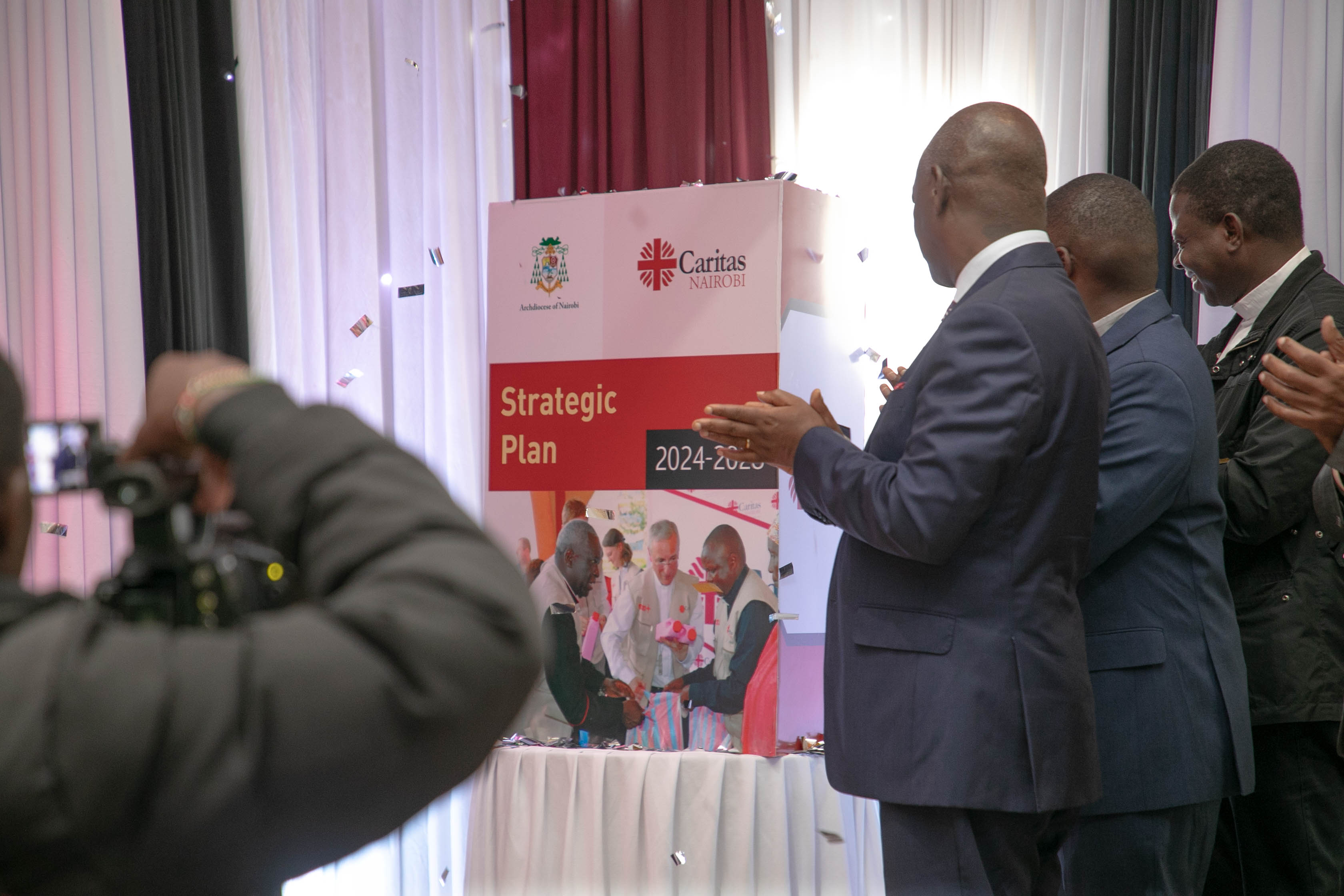
Building on four decades of service, the Board of Directors — in collaboration with key stakeholders — has developed the Strategic Plan 2024–2028. Three goals guide this period: enhancing living standards and dignity of communities; enhancing environmental sustainability and resilience; and enhancing organisational efficiency and effectiveness. Implementation will be supported by a robust monitoring and evaluation framework ensuring transparency and adaptive learning at every stage.
A Hand-Up, Not a Hand-Out
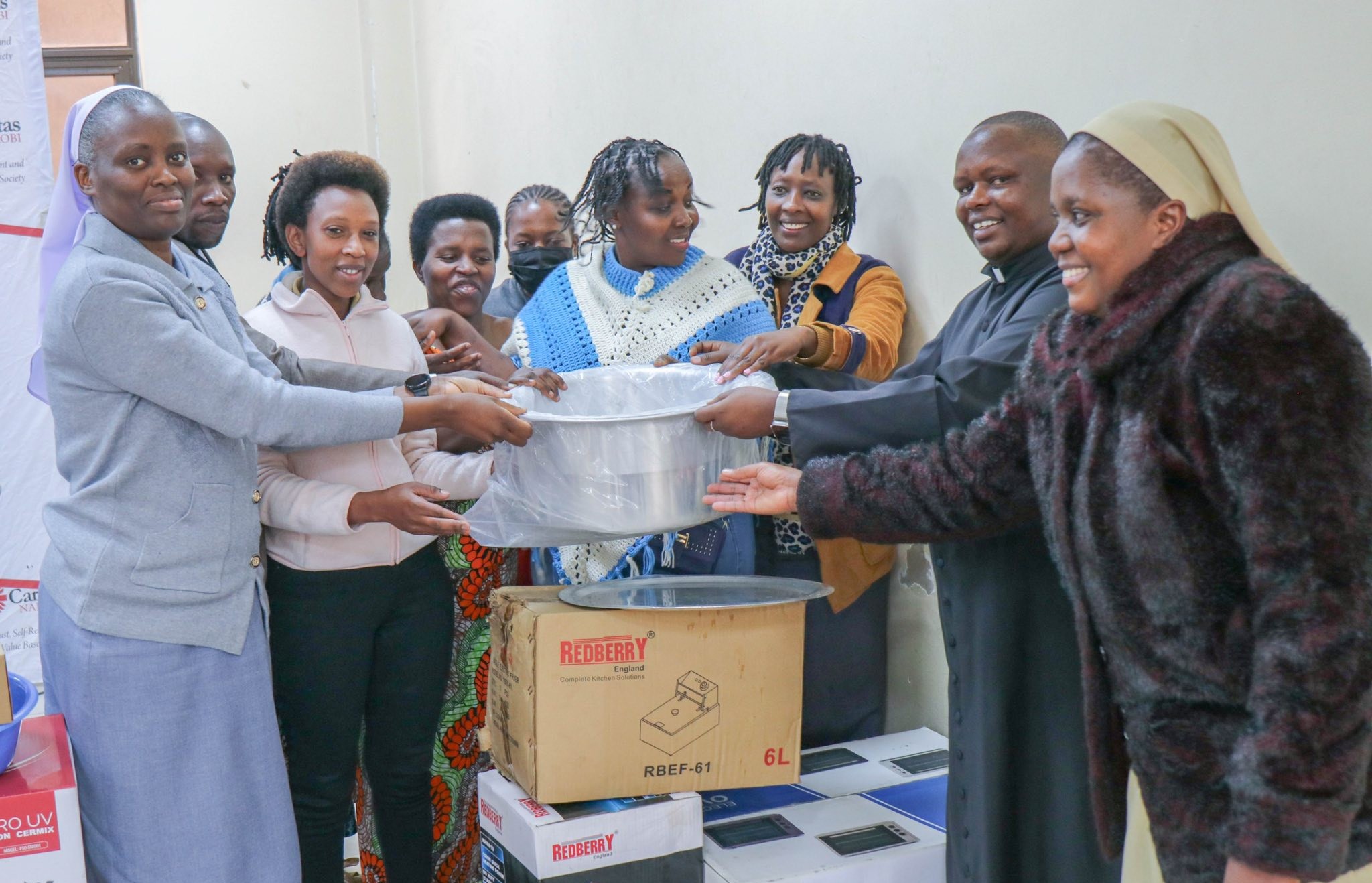
Everything Caritas Nairobi does is rooted in belief in the inherent dignity of every human person and the principles of Catholic Social Teaching. Our approach is one of integral human development — addressing the physical, economic, social, and spiritual dimensions of poverty simultaneously. We do not count only outputs. We ask: have lives been transformed? Have communities grown stronger? Have people reclaimed their dignity?

"We do not count only outputs. We ask: have lives been transformed? Have communities grown stronger? Have people reclaimed their dignity?"
Over Five Decades of Impact


Caritas Founded — Freiburg
Rev. Fr. Lorenz Werthmann founds Caritas in Germany in response to the suffering of the Industrial Revolution. The movement will grow into a global confederation of over 160 agencies.
Caritas Kenya Established
Caritas Kenya is established as the national development and social services arm of the Catholic Church — the umbrella under which diocesan Caritas offices, including Nairobi, would grow.
Self-Help Programme Launched
Cardinal Maurice Michael Otunga launches the Self-Help Programme in Nairobi, pioneered by Rev. Fr. Joseph Mukui and Fr. Michael Mungai. Parishioners in Kiriko begin pooling as little as KSh 20 — the first community savings circle.
Institutional Formalisation
Caritas Nairobi formalises as the official social development arm of the Archdiocese. Programmes expand into HIV/AIDS support, refugee aid, women and youth empowerment, and agriculture.
Microfinance & Scale
Hundreds of SEEP savings groups are active across Nairobi and Kiambu. The collective infrastructure of community savings and lending eventually gives birth to Caritas Microfinance Bank.
Registered as Charitable Trust
Formally registered under the Trustee (Perpetual Succession Act) Cap 164 Laws of Kenya, enabling expanded governance, accountability, and deeper partnerships.
40th Anniversary of SEEP & Strategic Plan 2024–2028
Caritas Nairobi celebrates 40 years of the Self-Help Programme and launches its Strategic Plan 2024–2028 — three strategic goals, deep investment, and a renewed commitment to sustainable transformation.
Meet the people carrying this history forward.
Meet Our Leadership